Lewisberry, PA 17339
Drain Cleaning in Lewisberry Borough
Older homes with basements and aged lateral lines make borough drain work different from the newer parts of Lewisberry.
Call for a same-day slot(555) 010-0100- Older homes
- Basements common
- ZIP 17339
Drain cleaning in Lewisberry Borough: the problem
Drain cleaning in Lewisberry Borough is mostly about age. A house here may have drain lines that have been carrying water for generations, and what goes wrong is tied to that: scale, roots, and joints that have shifted. A call describing what the drains are doing is the quickest way to sort out which one applies.
The homes here
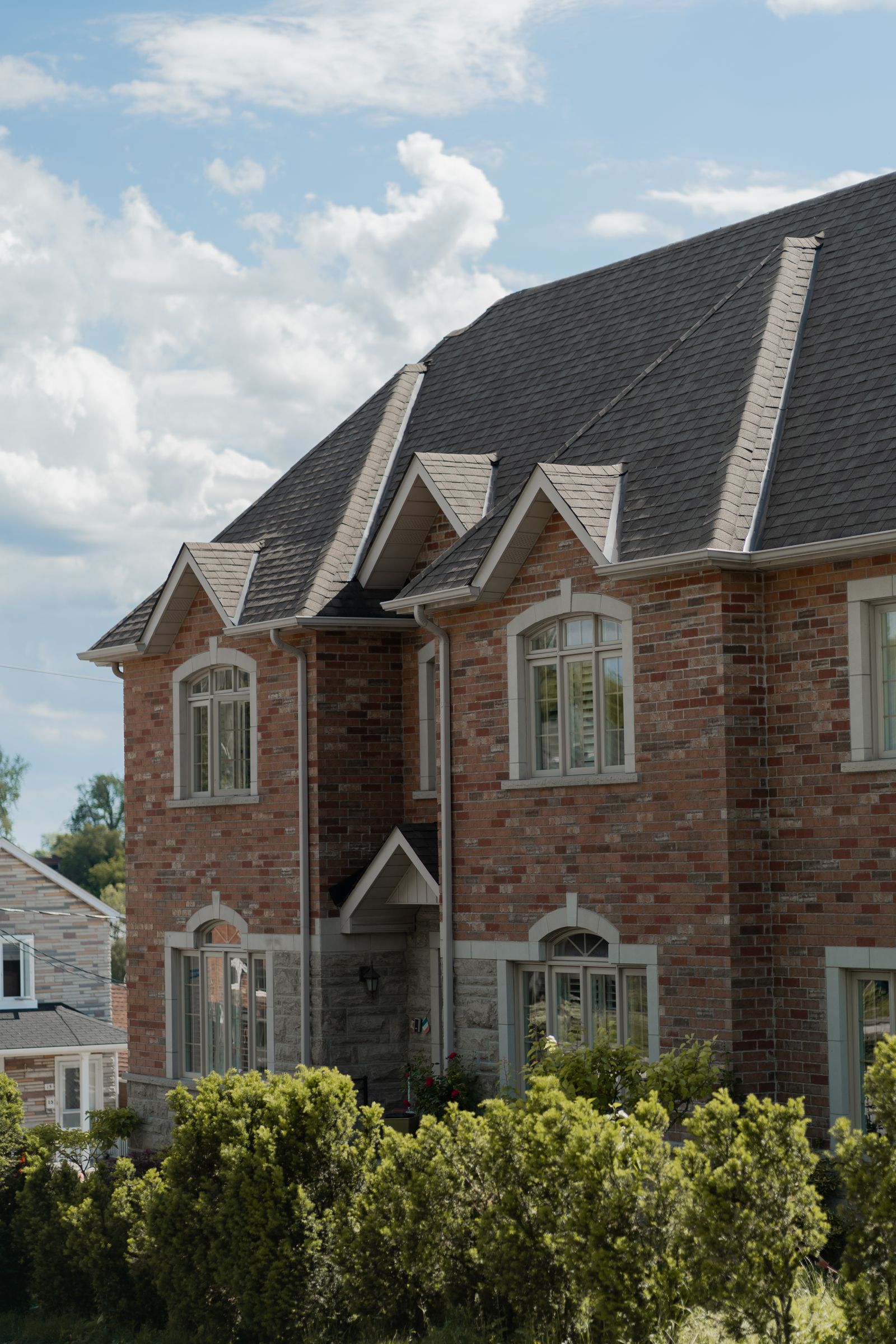
The borough is the oldest part of Lewisberry, within ZIP 17339. Houses are closer together than in the subdivisions, with smaller lots and mature trees along the streets. Most have basements, and many have a floor drain and laundry area down there. The line leaving the house is often older than the house's kitchen and bathrooms, so a modern fixture can sit on aged pipe.
Clogged drain in Lewisberry Borough: what usually goes wrong
Three things come up most. Older metal drain lines roughen and catch hair and grease. Roots from mature street and yard trees find their way into aged joints. And repeat clogs, where the same drain slows again within weeks, point to the line behind it. For the kitchen side, kitchen drain cleaning, and for the bathroom side, bathroom drain cleaning. When several fixtures are involved, main drain line cleaning explains what to check.
What the technician checks first
Which fixtures are affected, and in what order. Then the cleanout, if there is one, and whether the cable stops in the same place each time. In an older house they will usually want to know whether any pipe has been repaired before. A camera look is common after repeat clogs.
Lots, basements and where the pipes run
Borough lots are smaller and closer together than those in the newer parts of ZIP 17339, and the houses sit near the street. That usually means a shorter run from the house to the connection, but it also means older pipe along the way and mature trees close to the line. Basements are common, and many older ones have a floor drain, a laundry tub and a washer standpipe all within a few steps of each other.
In an older basement the drain lines are often exposed along the ceiling or the wall, which makes access easier than in a finished space. A technician can see the cleanout, the main stack and the branches at a glance, and that speeds up diagnosis. It also means that earlier repairs, in different materials and from different decades, are often visible.
Aged laterals and what roots do to them
The pipe that carries wastewater from the house to the connection is called a lateral. In older housing it is often clay or cast iron, and those materials develop rough walls and open joints over time. Roots from mature trees are drawn to the moisture and can enter through those joints, growing into a mass that catches paper and grease. This is a general tendency, not a prediction about any one house, and a camera look is the way to see what a given line actually looks like.
If the cable keeps stopping at the same place, or the drain slows again within weeks of being cleared, that is the signal to look. See drain camera inspection for the details. Cutting roots is a temporary fix, and the technician should say so plainly.
Newer fixtures on older pipe
Many borough homes have had kitchens and bathrooms updated while the drain lines behind the walls stayed as they were. A new sink on an old branch drains no better than the branch allows. When a recently renovated bathroom still clogs, the cause is often the older pipe downstream, not the new fixture, and that is worth mentioning on the call.
Repeat clogs and what they mean here
In the borough, a drain that clogs a second time within weeks is usually reporting on the line behind it: scale, roots or a joint that has shifted. Clearing it again gives you the same result. The better question is what is catching debris, and that is what a camera look or a deeper cleaning answers. Repeat clogging does not always mean a big repair. It does mean the problem has a location, and finding it is the useful step.
Basements in wet weather
Heavy rain can put extra load on drain connections, and in low basements the floor drain is the first place that shows it. No one can promise how a given house will behave in a storm, and we make no claims about flooding. What a technician can do is check that the house line itself is clear and tell you whether the pattern points to a blockage you can fix.
Street-side trees and the borough's older yards
Many borough yards have trees close to the house and close to the line, planted long before anyone thought about pipes. That is part of why roots feature so often in borough calls. It is also why the same house can have a recurring problem that a neighbor two doors down does not, since it depends on which trees are near which pipe.
Borough homes share a lot, but not a pipe
Houses in the borough often look alike from the street and still have very different drain histories. One may have been relined, another updated in stages, a third left as built. A neighbor's experience is a clue, not a diagnosis. The technician will look at your line and tell you what is actually there.
If your borough home has had earlier drain repairs, mention when and what was done. It tells the technician which parts of the line are older and which are newer.
What a call looks like
You call and a person answers. You describe the problem, the dispatcher asks a few questions, and a local technician is sent. You hear the options and the price before work begins.
Nearby areas
Newer subdivisions are covered under drain cleaning in Fairview Township (Lewisberry Side), and rural homes under drain cleaning in Warrington Township. The full picture of service is on the drain cleaning lewisberry page.
Questions
Common questions
Older pipe tends to be rougher inside and has had more years to collect scale and roots, so clogs are more common. It varies by house.
Often, but not always. Some are outside near the foundation. Older homes may not have one.
Yes. Roots follow moisture and enter through joints. It is more common in older lines.
Often. It shows pipe condition and any roots, so the next step is based on what is there.
Borough homes generally do not. Septic is more common on rural lots.
It may be the main line. Stop using water and call, and describe when it happens.
Where possible. Call and you will hear what is open for your address.
That is a separate trade. If a line needs replacing, we point you in the right direction.
In the borough and need help?
For drain cleaning in Lewisberry Borough, call and describe the problem. We will connect you with a local pro who knows older homes.
Get upfront pricing on the phone(555) 010-0100